Source Electric Voltage Tester Pen for Home, Industry, Repair
Compare 28 electric voltage tester pen options from verified Chinese suppliers. Buyers can evaluate specifications like input voltage, display type, and customization support to find suitable tools for home, industrial, and product repair applications; compare the available evidence and request quotations based on your requirements.
Key considerations
Products List


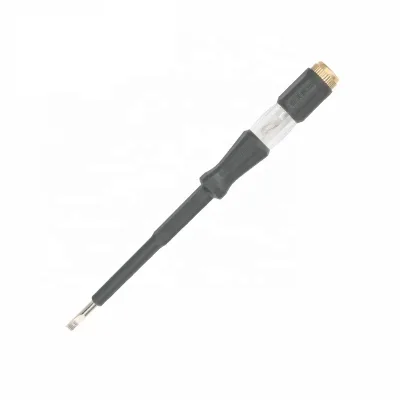


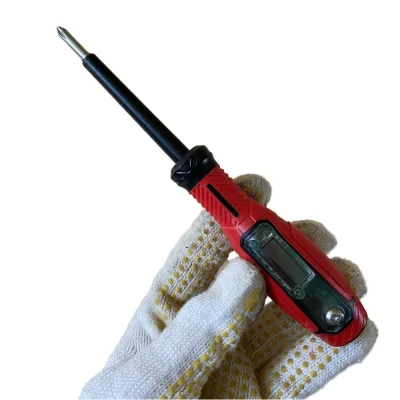


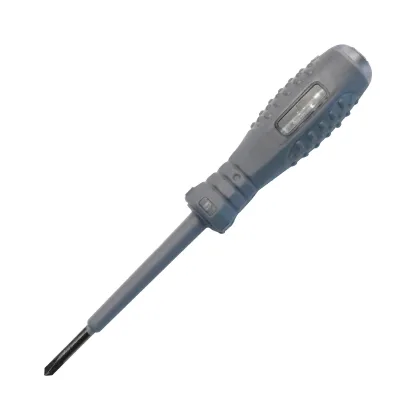


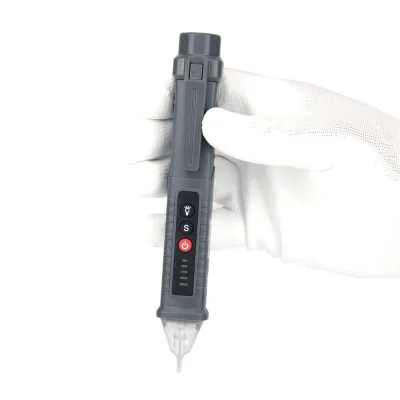

Comprehensive Sourcing Guide
Electric Voltage Tester Pen Sourcing Guide
Procurement professionals must first distinguish between the diverse product categories listed under this core keyword, as the market offers both simple non-contact detection tools and more complex direct-connected metering devices. The observed listings reveal a split between handheld electric tester pens designed for quick voltage checks and digital or analogue units intended for industrial energy monitoring. Buyers should carefully review the specific product attributes, such as "Electric" versus "Electrostatic" types, to ensure the selected tool matches the intended application environment, whether for home repair or heavy industrial use.
When evaluating the initial product scope, it is critical to note the wide variance in customization options and packaging formats available from suppliers. Some vendors offer fully customized solutions with OEM support, while others provide standard items in bulk carton or box packaging configurations. The presence of specific model numbers like LH-MQ3.8-VD07 alongside generic descriptions indicates a fragmented supply chain where buyers must verify that the physical dimensions and display types, such as digital or analogue, align precisely with their operational requirements before placing any order.
Product Scope and Observed Listing Signals
Buyers should scrutinize the listed input voltage and test range specifications to confirm compatibility with their existing electrical infrastructure. The data indicates a specific input voltage of 250V and a test range spanning from 100 to 500V, which suggests these tools are optimized for standard low-voltage applications rather than high-voltage transmission lines. Procurement teams must verify that the observed 250V input rating matches the local grid standards of their facility to prevent equipment damage or inaccurate readings during critical safety inspections.
The physical characteristics and display mechanisms of the devices vary significantly across the available listings, requiring careful selection based on user preference and environmental conditions. While some units feature a clear or yellow casing with a digital display, others utilize an electrostatic theory with a direct-connected installation method. The presence of color options like black and orange or yellow and grey, combined with different packing standards, implies that buyers need to assess not only the technical performance but also the ergonomic design and visibility features required for their specific workforce.
Technical Specifications to Verify
Technical due diligence must focus on the insulation class and the specific installation method to ensure operator safety and device longevity. The observed insulation class of 250V Cat and the direct-connected installation type indicate that these devices are designed for specific connection scenarios that may not be suitable for all testing environments. Buyers must confirm whether the device requires a direct connection to the circuit or if it functions as a non-contact probe, as this distinction fundamentally alters the safety protocols and usage procedures required on-site.
Verification of the power source and output voltage capabilities is essential for determining the operational autonomy and measurement accuracy of the selected tools. The listings specify an AC power source and an output voltage of 1V, which suggests these units may be part of a larger metering system or require external power for specific functions. Procurement teams should validate that the machine-electric type theory and the specific model numbers, such as LH-DHX2.3-250716, correspond to the required measurement precision and that the device can reliably handle the expected load without degradation.
Compliance and Safety Documentation
Safety compliance is paramount when sourcing electrical testing equipment, and buyers must demand proof of relevant certifications before finalizing any purchase. The available data confirms the presence of CE and RoHS certifications, which are critical for market access and regulatory adherence in many regions. However, the absence of explicit mention of IEC 61243-3 in the high-confidence facts means buyers cannot assume this specific standard is met without direct verification from the supplier, necessitating a request for updated test reports to ensure full compliance with international safety norms.
Beyond basic certifications, the warranty terms and material composition provide additional layers of assurance regarding product reliability and durability. The observed six-month warranty period and the use of plastic materials suggest a focus on cost-effective, lightweight solutions suitable for general industrial and DIY applications. Procurement professionals should ensure that the warranty covers specific failure modes related to the insulation class and that the material grade is sufficient for the intended industrial environment, particularly where exposure to harsh conditions or frequent handling is expected.
Cost Drivers and Commercial Terms
Pricing and minimum order quantities (MOQ) are the primary commercial variables that will dictate the total cost of ownership for this category of equipment. The observed price range of 0.01 to 8.8 USD and an MOQ spanning from 1 to 12,000 units indicate a highly flexible market where volume significantly impacts unit economics. Buyers must calculate the break-even point for bulk purchasing, considering that higher MOQs may unlock lower per-unit costs but also increase inventory holding risks and capital tie-up for smaller enterprises.
Customization and branding options represent a significant cost driver that can alter the commercial terms and lead times for the procurement project. The availability of OEM and ODM support, along with specific brand names like BOSI, allows for tailored solutions but often requires higher initial investment and longer production cycles. Procurement teams should negotiate clear terms regarding the cost of custom molds, packaging changes, and branding, ensuring that the final price reflects the added value of these services without compromising the core functionality of the voltage tester pen.
Supplier Qualification and Quality Control
Supplier qualification should prioritize manufacturers with a proven track record in the Zhejiang region of China, where the majority of these products originate. The concentration of production in this specific location suggests a mature supply chain with established logistics and manufacturing capabilities, yet buyers must still verify the specific factory's capacity to meet their quality standards. It is advisable to request evidence of the supplier's production history and their ability to maintain consistency across different model numbers and customization requests.
Quality control protocols must be rigorously defined to ensure that every unit meets the specified insulation and performance criteria before shipment. Given the variation in product attributes, such as the different color options and packing standards, buyers should implement a sampling plan that tests for insulation integrity, display accuracy, and physical durability. Establishing a clear acceptance criteria based on the observed specifications, such as the 146mm size or the specific output voltage, will help mitigate the risk of receiving substandard goods that could compromise safety or operational efficiency.
Long-Term Procurement Checks
Sustained procurement success relies on establishing a robust framework for ongoing performance monitoring and supplier relationship management. Buyers should schedule regular reviews of the product performance against the initial specifications, paying close attention to any deviations in the insulation class or output voltage over time. Maintaining open communication channels with the supplier allows for the early detection of quality drifts and ensures that any necessary adjustments to the manufacturing process are implemented promptly to maintain product integrity.
Future-proofing the procurement strategy involves staying informed about evolving industry standards and technological advancements in voltage testing equipment. As the market shifts towards more advanced digital displays or enhanced safety features, buyers must remain agile and ready to adapt their specifications accordingly. Regularly auditing the supplier's certification status and their ability to support new models will ensure that the organization remains compliant with changing regulations and continues to benefit from the latest innovations in electric voltage tester technology.
FAQs
What certifications do these electric voltage tester pens have?
These electric voltage tester pens typically hold CE and RoHS certifications, ensuring compliance with European safety and environmental standards. Some models may also feature ISO9001 certification, indicating adherence to quality management systems. Buyers should verify specific documentation for each supplier to confirm regulatory compliance for their target markets.
Can I customize the electric voltage tester pen design?
Yes, customization is available for electric voltage tester pens, including OEM and ODM support. Suppliers offer options for custom branding, packaging, and specific model configurations. Buyers can request tailored solutions to meet unique operational requirements or brand identity needs, ensuring the final product aligns with their specific business objectives.
What is the typical MOQ for electric voltage tester pens?
The minimum order quantity for electric voltage tester pens ranges from 1 to 12,000 units, depending on the supplier and product type. Standard items may have lower MOQs, while customized orders might require higher volumes. Buyers should confirm specific MOQ requirements with suppliers to align with their inventory and budget constraints.
Where are electric voltage tester pens manufactured?
Electric voltage tester pens are primarily manufactured in China, with many suppliers located in Zhejiang province. This region is known for its robust manufacturing infrastructure and competitive pricing. Buyers can source directly from these factories to ensure quality control and efficient logistics, leveraging the established supply chain networks in the area.
What display types are available for electric voltage tester pens?
Electric voltage tester pens are available with both analogue and digital display types. Digital models often provide precise voltage readings, while analogue versions offer traditional needle-based indicators. Some models also feature LED indicators with flashing lights for enhanced visibility. Buyers should select the display type that best suits their operational needs and preference.